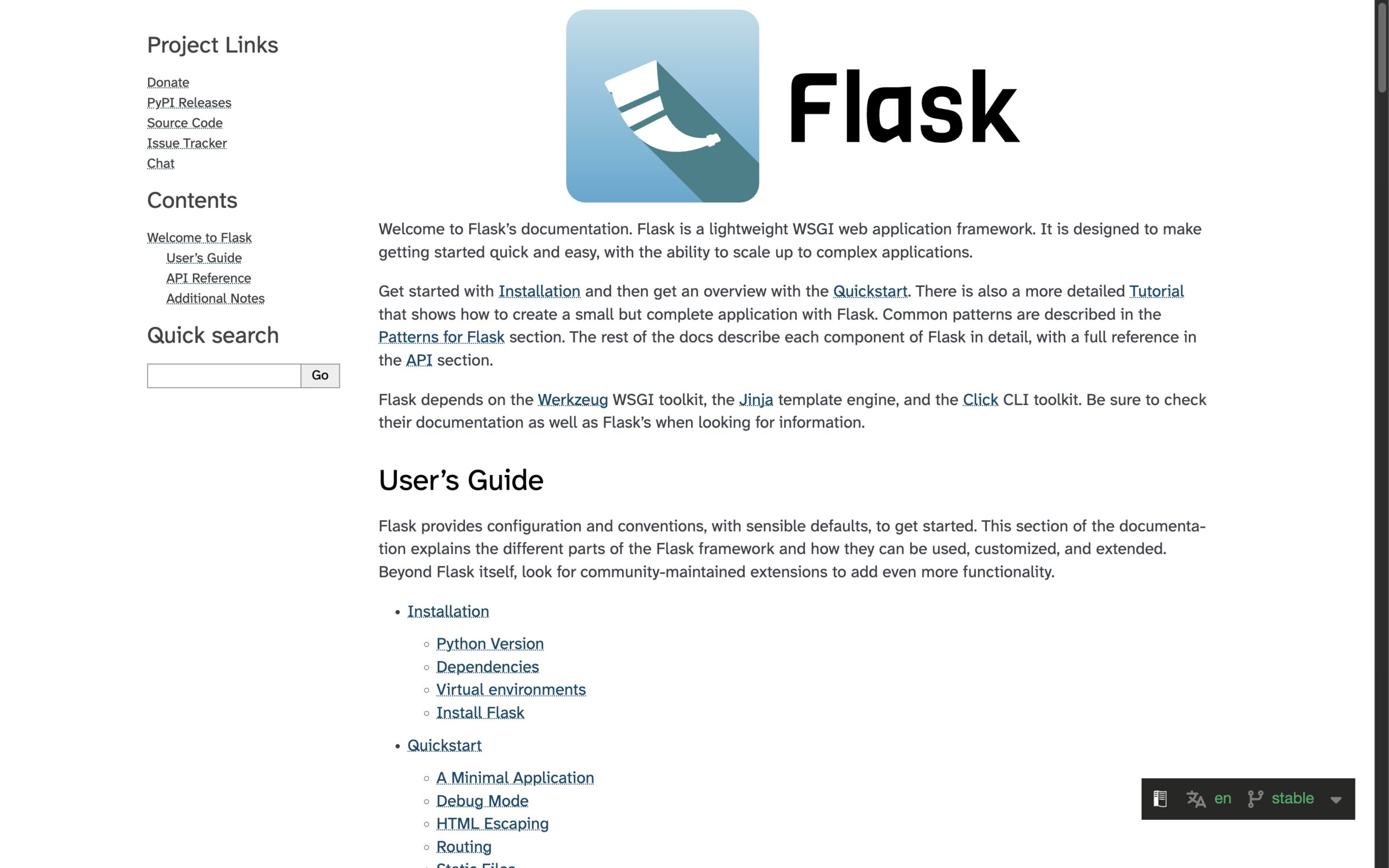
Is Flask outdated in 2026? While Flask remains an excellent choice for simple scripts or maintaining legacy apps, it is largely outdated for building new REST APIs in 2026. Modern Python teams are choosing FastAPI instead because it offers native async support, automatic data validation, and built-in OpenAPI documentation out of the box.
If you are starting a new greenfield project today, picking Flask over FastAPI creates unnecessary technical debt from day one. I see founders make this mistake often. They know Flask from a tutorial they took seven years ago, build their MVP on it, and hit a wall when they need high concurrency for AI streaming or strict data validation for complex payloads.
Here is exactly why the Python ecosystem shifted and why your next API should not run on Flask.
Why FastAPI is winning the API war
The key difference between Flask and FastAPI comes down to their era of origin. Flask was built in a time when server-rendered HTML was the norm and REST APIs were an afterthought. FastAPI was built specifically for modern API development.
When you choose FastAPI, you get three massive advantages that you would otherwise have to bolt onto Flask yourself:
- Automatic interactive documentation: FastAPI generates Swagger UI and ReDoc pages automatically based on your Python type hints. With Flask, you have to write YAML files manually or duct-tape third-party libraries like
flasggerto get the same result. - Native data validation: FastAPI uses Pydantic. If a client sends a string instead of an integer, FastAPI rejects it with a clear error message before your handler code even runs.
- True asynchronous concurrency: FastAPI is built on Starlette. It handles thousands of concurrent connections natively, which is critical when your app spends most of its time waiting on external LLM APIs or database queries.
If you are wondering whether to choose FastAPI or Django REST Framework, that is a different conversation. But if the choice is between Flask and FastAPI for a lean microservice, the debate is effectively over.
The architectural shift: WSGI vs ASGI
The biggest reason Flask struggles today is hidden in its architecture. Flask is a WSGI (Web Server Gateway Interface) framework. WSGI is synchronous. When a request comes in, a worker thread handles it. If that request involves waiting for a 15-second OpenAI response, that worker thread is blocked. It cannot do anything else.
If you have five worker threads and six users request an AI generation at the same time, user number six simply waits.
FastAPI is an ASGI (Asynchronous Server Gateway Interface) framework. It uses an event loop. When a request waits on an external API or a database query, the event loop pauses that task and serves other users. One single worker can handle thousands of concurrent requests this way.
You can try to make Flask async using extensions or by running it under Gunicorn with gevent async workers, but it is a leaky abstraction. FastAPI was designed for an async-first world from the very first line of code.
The boilerplate tax: Manual validation vs Pydantic
Writing a secure API means validating every piece of data a user sends.
In Flask, catching a missing required field or a malformed email address usually means writing a dozen lines of defensive if/else statements. You extract the JSON payload, check if a key exists, check if its value matches the expected type, and then return a 400 response manually. Some teams use Marshmallow or JSONSchema to clean this up, but it still requires separate schema files and explicit parsing steps.
Here is what that same validation looks like in FastAPI:
from pydantic import BaseModel
from fastapi import FastAPI

app = FastAPI()

class UserCreate(BaseModel):
    email: str
    age: int

@app.post("/users/")
async def create_user(user: UserCreate):
    return {"message": f"Created user {user.email}"}
That is the entire file. If the age field is missing or contains a string, FastAPI blocks the request and sends a helpful JSON error to the client automatically. This single feature eliminates hundreds of lines of boilerplate from your codebase. I cover this deeper in my blog on what FastAPI is.
Is Flask still relevant? (When it makes sense to stay)
Does anyone still use Flask? Absolutely. I still write Flask code occasionally.
You do not need to rewrite your entire production application tomorrow just because FastAPI exists. Flask still makes perfect sense in specific scenarios:
- Simple single-file scripts: If you just need to expose a single Python function via HTTP for an internal cron job, Flask gets the job done in five lines of code.
- Server-rendered HTML: If you are building a traditional web app using Jinja2 templates instead of a React frontend, Flask is still fantastic. Its session management and templating ecosystem are mature and stable.
- Legacy extensions: Some projects rely heavily on mature extensions like Flask-Admin or Flask-Security. Porting these complex admin dashboards to FastAPI is painful and rarely worth the ROI.
If your Flask app works, is making money, and is not buckling under load, keep it.
How to migrate from Flask to FastAPI incrementally
If you have decided your Flask API needs to graduate, do not attempt a complete rewrite. Big bang rewrites almost always stall.
Instead, run both frameworks side by side.
You can use a reverse proxy like Nginx or a managed API gateway to route traffic based on the URL path. Keep all your existing endpoints pointing to the old Flask server. When you build a new feature, build it in FastAPI and route that specific /api/v2/new-feature path to the new service.
Where to go next
- What is FastAPI? Read my complete breakdown of how FastAPI works under the hood and why developers love it.
- Why React and FastAPI is a Perfect Stack See why this specific combination dominates the modern AI SaaS landscape.
- What is Django REST Framework? Learn when you should skip micro-frameworks entirely and use a batteries-included monolith.
Over time, you can rewrite your heaviest, most bottlenecked Flask endpoints in FastAPI one by one. I use this exact incremental approach when clients hire me for API development services to rescue struggling MVPs. It derisks the migration and ensures you never stop shipping new features to your users.