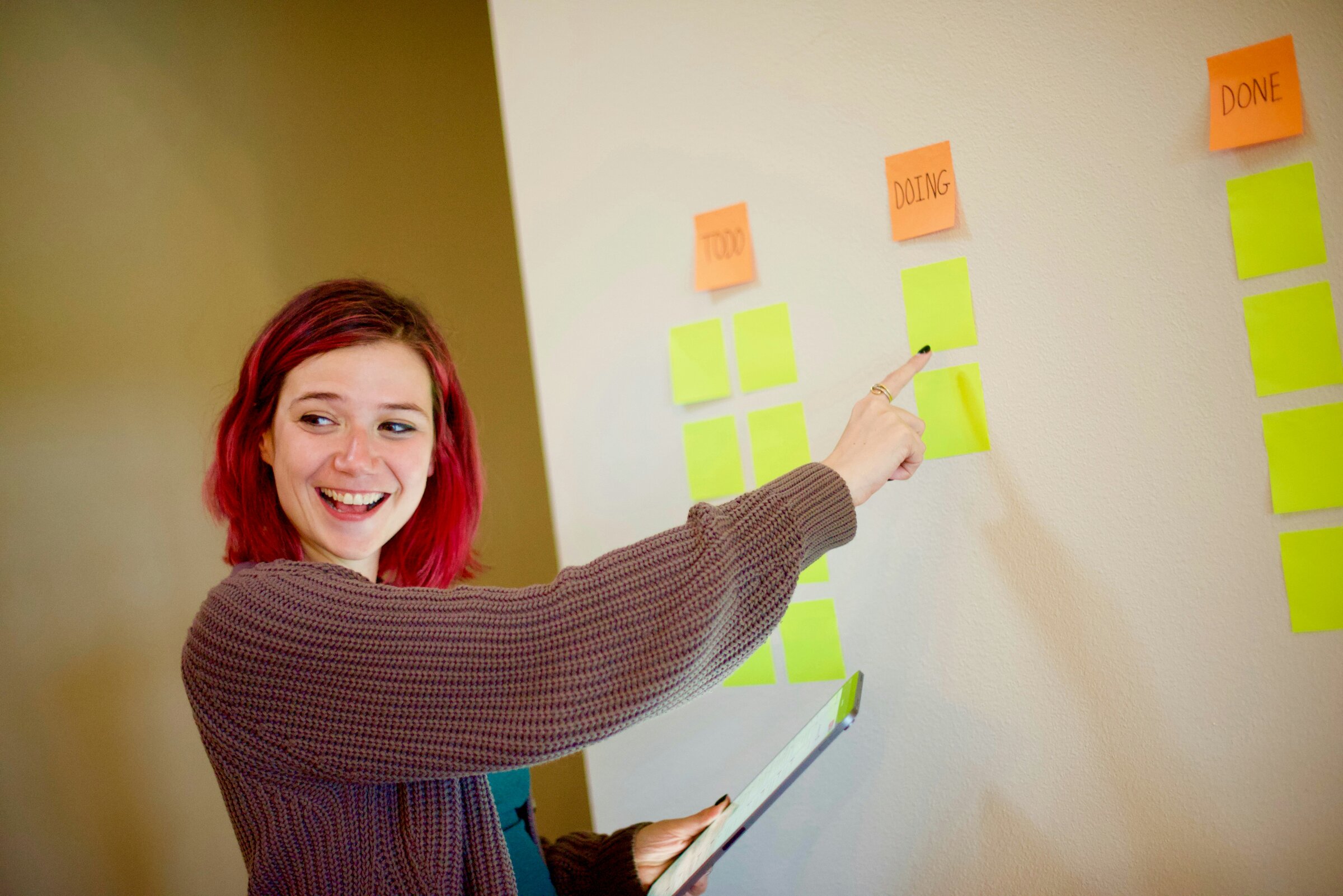
What is agile methodology in web development?
Agile methodology in web development is a system for building software in small, continuous cycles rather than all at once. Instead of writing a massive specification document and waiting six months for the final product, developers build the core features, release them in two-week intervals, and adjust the plan based on real user feedback.
If you hire a developer to build a custom SaaS dashboard, the traditional approach (waterfall) forces you to guess every button and chart you might need before coding starts. Agile assumes your first guess is probably wrong. It gets a working version of the dashboard into your hands fast, so you can see what actually matters. If you are debating custom web apps vs off-the-shelf software, this ability to pivot quickly is the main reason to build custom. For the full build breakdown, see what custom web application development actually involves.
The core agile ceremonies (translated to plain English)
Agile comes with a lot of corporate jargon. If you are a startup founder hiring a freelance developer or a small agency, you don’t need a certified Scrum Master. You just need the basic mechanics.
Here is what those terms actually mean on a real project. For a walkthrough of how this plays out week by week, see what agile web development looks like on a real project in 2026:
- The Backlog: A simple list of everything you want the app to do. If you want a Stripe checkout integration, it goes on the backlog.
- Sprints: A set block of time (usually two weeks) where the developer commits to finishing specific items from the backlog.
- Daily Standups: A quick daily check-in. “Here is what I built yesterday, here is what I am building today, and here is what is blocking me.” Async teams usually do this via a Slack or Discord message.
- Sprint Review: At the end of the two weeks, the developer shows you working software. You click around, test the features, and decide what to build next.
Why agile beats the traditional agency model for MVPs
The traditional agency model sells certainty. They promise to deliver a specific list of features by a specific date for a specific price. If you are comparing a solo developer vs an MVP agency, understanding this difference in pricing and flexibility is critical. It is also one of the biggest factors when learning how to evaluate web app development options without getting lost in jargon.
The problem? Software development is inherently unpredictable. A 2024 study by the Project Management Institute found that 65% of traditional software projects experience significant scope creep or budget overruns.
Agile protects your budget by shifting the focus from “did we build the exact list of features?” to “did we solve the user’s problem?” If we realize halfway through the project that users don’t care about a complex reporting module, we drop it. We take those development hours and spend them improving the core onboarding flow instead. You stop paying for features nobody uses.
The tools that run an agile web project in 2026
You don’t need heavy, enterprise-grade software to run an agile process. In fact, heavy tools usually slow down the build.
For modern web development, the stack is lean and asynchronous:
- Linear: For managing the backlog and tracking issues. It is fast, keyboard-driven, and lacks the configuration bloat of Jira.
- GitHub: Where the actual code lives. Developers use pull requests to review code before it goes live.
- Vercel: For hosting and deployment. Every time a developer pushes code, Vercel creates a unique preview URL. You can test the new feature on your phone before it merges into the main app.
- Slack or Discord: For daily async standups and quick questions.
Frequently Asked Questions
What is the difference between Agile and Scrum?
Agile is the broad philosophy of building software iteratively. Scrum is one specific framework for doing agile, complete with strict rules, defined roles, and specific meeting formats.
Does agile mean I don’t get a project timeline?
No. You still get a timeline and a budget cap. The difference is that the exact features delivered within that timeline remain flexible. You agree on the core goal, not a rigid feature list. How agile changes web project timelines and scope explains the fixed-budget, flexible-scope model.
How do I know what I am paying for with agile?
You pay for a dedicated block of development time (sprints) focused entirely on your highest priorities. Because you review working software every two weeks, you see exactly what your money bought.